
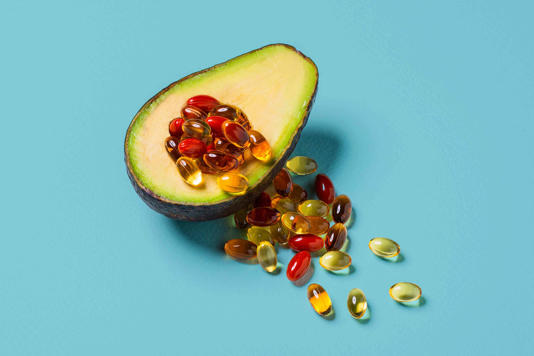
From vitamin D to soluble fiber, a range of expert-recommended nutrients plays a vital role in promoting longevity by safeguarding your heart, brain, gut, and overall health as you age.
*Key Insights*
Longevity encompasses not merely the length of life, but also the quality of health throughout those years. These essential nutrients contribute to healthspan by protecting key systems such as the heart, brain, and immune function. As individuals age, certain nutrients like vitamin D, B12, and magnesium are frequently underconsumed, which can impact overall health. A diet rich in fiber and plant-based foods is essential, providing a plethora of vitamins, minerals, and compounds linked to healthier aging.
As the New Year approaches, many Americans are motivated to enhance their health with an eye towards longevity. “Longevity involves more than just extending life; it’s about enhancing the quality of those years adding life to your years, not just years to your life,” states Kaitlyn Comeau, RD, PN1-SSR.
While frequenting packed gyms may be one approach to foster longevity, making deliberate nutritional choices is another crucial aspect. To join the ranks of centenarians, there are specific foods to embrace and others to avoid, along with a selection of nutrients that may facilitate this desired outcome.
“Good nutrition is fundamental not only for increasing lifespan but also for enhancing health span. By prioritizing nourishing your body today, you can pave the way for a future where those additional years are healthier, more active, and genuinely enjoyable,” Comeau encourages. Below, we explore the research on vitamins, minerals, and other nutrients that may contribute to a longer, more vibrant life.
*Meet Our Expert*
Kaitlyn Comeau, RD, PN1-SSR, a registered dietitian and the owner of KC Gaining Wellness, emphasizes, “Nutrition is the cornerstone of longevity—it’s akin to providing your body with premium fuel for the journey ahead. The foods you select can protect your cells, enhance your energy levels, and diminish the risk of chronic diseases that often shorten lives. I advise my clients to view every bite as an investment in their future.” With this perspective in mind, we’ve curated a list of nine essential nutrients, vitamins, and minerals to incorporate into your journey towards remarkable longevity.
*Vitamin D*
Commonly referred to as the sunshine vitamin, vitamin D is a widely discussed micronutrient, particularly in the United States, where deficiencies are prevalent throughout the year, especially during the darker winter months. This vital vitamin plays an essential role in reducing inflammation across the body and bolstering bone and immune health. Furthermore, vitamin D may contribute to longer, more fulfilling lives. “Research indicates that maintaining adequate vitamin D levels can lower the risk of chronic conditions such as osteoporosis, certain cancers, and heart disease, all of which are crucial to longevity,” explains Comeau. While basking in sunlight for five to thirty minutes daily is one of the most effective ways to elevate vitamin D levels, various food sources, including eggs, fortified dairy products and orange juice, UV-exposed mushrooms, and fatty fish such as tuna, salmon, and sardines, can also be beneficial.
*Omega-3 Fatty Acids*
Fish consumption has long been encouraged, primarily due to the omega-3 fatty acids it contains. “Omega-3s, found in fatty fish like salmon and plant-based sources such as flaxseeds, support heart health, mitigate inflammation, and enhance brain function,” notes Comeau. Additionally, these beneficial fats may promote longevity. “Studies suggest that elevated omega-3 levels correlate with a reduced risk of age-related diseases and an extended lifespan,” she adds. Beyond salmon and flax, omega-3s can also be sourced from walnuts, hemp, sardines, anchovies, tuna, seaweed, and oysters.
*Magnesium*
Often associated with relaxation and improved sleep, magnesium is a crucial mineral for overall health. “Magnesium is vital for muscle function, nerve signaling, and blood sugar regulation,” Comeau explains. Furthermore, embracing this micronutrient found in bananas, spinach, avocado, tofu, nuts, and seeds may also extend lifespan through its contributions to cardiovascular health. “Adequate magnesium intake can help safeguard your heart and lower the risk of heart disease, a leading cause of death in America,” she adds.
*Vitamin B12*
As one of the most discussed B complex vitamins, vitamin B12 is essential for nerve function, DNA synthesis, and red blood cell production. However, this nutrient becomes increasingly important as we age, particularly for those seeking vibrant aging. “As we grow older, the absorption of vitamin B12 diminishes, leading to potential deficiencies that can result in fatigue, cognitive decline, and neurological damage. Therefore, maintaining sufficient levels of B12 is crucial for healthy aging,” Comeau elaborates. Optimal sources of vitamin B12 include lean meats, seafood, dairy, eggs, and nutritional yeast, which can pose a challenge for those following a plant-based diet.
*Vitamin E*
Oxidative stress, which results from cellular damage caused by free radical molecules, is a significant contributor to aging, leading to wrinkles, neurodegenerative diseases, and various chronic illnesses. To effectively combat oxidative stress, increasing antioxidant intake is essential, with vitamin E being one of the most potent dietary antioxidants available. “Vitamin E is a powerful antioxidant that helps shield your cells from damage, bolstering your immune system and slowing the aging process,” Comeau asserts. As a fat-soluble vitamin, vitamin E can be found in substantial amounts in avocados, nuts, seeds, wheat germ, eggs, spinach, broccoli, bell peppers, and asparagus.
*Plant Compounds*
Polyphenols, a type of plant compound, serve as another highly effective source of antioxidants in the diet. “Found in foods such as berries, green tea, and olive oil, polyphenols possess remarkable anti-inflammatory and antioxidant properties. Research links their consumption to improved heart health, reduced oxidative stress, and a lower risk of chronic diseases, all contributing to a longer lifespan,” states Comeau. In addition to the options mentioned, polyphenols can also be sourced from cocoa, nuts, seeds, and whole grains.
*Creatine*
While not traditionally classified as a nutrient, creatine is an amino acid-based compound present throughout the body that may also support healthy aging. Commonly recognized for enhancing workout performance, emerging evidence suggests that creatine may benefit brain and cognitive health, thus promoting healthy aging. “Studies indicate it can enhance memory, learning, and processing speed by increasing energy availability in brain cells and helping to protect against age-related cognitive decline and neurodegenerative diseases like Alzheimer’s and Parkinson’s,” notes Comeau. Given that creatine is composed of the amino acids arginine, glycine, and methionine, many of its sources are protein-rich foods such as lean meats, seafood, nuts, seeds, and dairy.
*Soluble Fiber*
“A thriving gut microbiome is essential for longevity. A diverse and balanced gut microbiota is associated with reduced inflammation, enhanced immune function, and improved digestion, all of which are vital for overall health and aging,” explains Comeau. One of the most effective means of supporting a flourishing gut microbiome is by incorporating a variety of fiber-rich foods, particularly those high in soluble fiber, which acts as a prebiotic fuel for your beneficial gut bacteria. Notably, recent research from 2024 found that prebiotics can enhance frailty scores in older adults. Excellent sources of soluble fiber include garlic, onions, honey, legumes, flax, oats, berries, and mushrooms, although most fiber-containing foods, including fruits, vegetables, whole grains, nuts, and seeds, will contain some soluble fiber.
*Adaptogens*
Though not strictly classified as nutrients, adaptogens are plant-based compounds that may facilitate improved longevity. “Incorporating adaptogens into your diet may enhance resilience to stress, boost energy levels, and support overall well-being, potentially contributing to a longer, healthier life,” states Comeau. Food sources of adaptogens include turmeric, goji berries, rhodiola, ashwagandha, and various mushrooms, such as shiitake, reishi, cordyceps, and lion’s mane. Particularly, lion’s mane mushrooms may offer cognitive benefits, as they contain compounds that could stimulate nerve growth factor (NGF), thereby supporting brain health and potentially reducing the risk of neurodegenerative diseases,” Comeau adds.
About The Author