
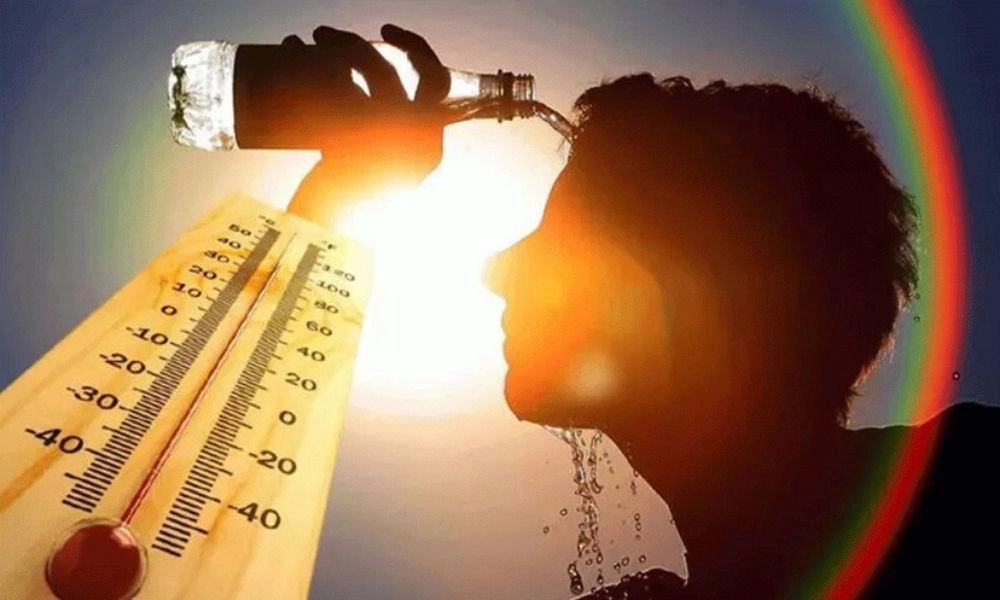
It is estimated that over 2,700 individuals may have lost their lives due to heat-related causes during the exceptionally hot weather that affected the UK in May and June, according to expert estimates.
The estimated figure, which was compiled by a team of researchers from Imperial College London, the Met Office, and the London School of Hygiene and Tropical Medicine, is based on existing knowledge about the dangers posed by extreme heat.
Most of the deaths are believed to have occurred during the June heatwave, which was the warmest June on record in England, with temperatures reaching a scorching 37.7C (99.9F) at Lingwood, Norfolk, thereby surpassing the previous high of 35.6C (96F) that was set in 1957.
At the time, a rare red heat alert was issued for parts of England and Wales, warning even healthy individuals of the significant risk to life posed by the extreme heat.
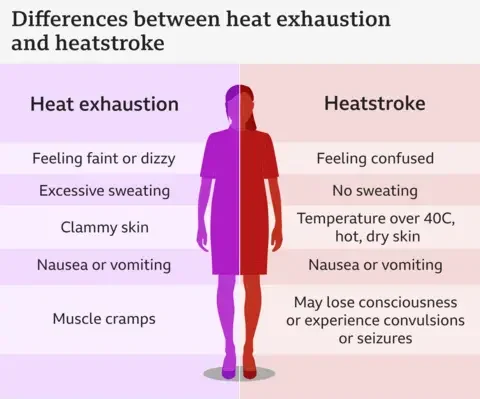
The heat is often referred to as a “silent killer” due to the fact that its early symptoms are easily overlooked.
Meanwhile, the temperatures in May reached a new UK high of 35.1C at Kew Gardens on May 26, which was a significant increase from the previous high mark of 32.8C that was set back in 1922 and equalled in 1944.
Both heatwaves were caused by a “heat dome,” which is a stalled area of high pressure that traps hot air over a region, according to experts.
The heat dome was exacerbated by human-induced climate change, which has warmed the planet by approximately 1.4C since pre-industrial times, and is believed to have added between 3 and 4C to the maximum temperatures recorded in May and June, according to researchers.
The sweltering conditions were further intensified by hot tropical nights, which offered little respite from the heat.
Many homes in the UK are not designed to cope with such high temperatures, leaving occupants vulnerable to prolonged periods of heat.
Prolonged exposure to heat puts immense physical strain on the body, which can be worsened by dehydration, causing the heart to pump harder and faster in an attempt to cool the body down.
Babies, older individuals, and those with pre-existing health conditions are among the most vulnerable to the effects of heat, which can lead to an increased risk of heart attacks, strokes, and other potentially fatal emergencies.
Extreme heat can affect anyone, including fit and healthy individuals, and is often referred to as a “silent killer” due to the fact that its early symptoms are easily overlooked.
Furthermore, when the air is extremely humid, as it was in June, it becomes more challenging for the body to cool down through sweating.
It is predicted that heatwaves will become more frequent in the future.
The study used death records from previous years to model and estimate the number of deaths that may have occurred in May and June 2026.
The findings are based on assumptions about the impact of the heat on the population, and therefore may not be entirely accurate.
One of the researchers, Dr Clair Barnes, an expert in extreme weather and climate change at Imperial College London, stated: “If by releasing these estimates we can raise awareness about the dangers of heat and people change their behaviour during the next heatwave, and our estimates turn out to be high, I will be thrilled.
“These are significant numbers, and we do not want to see this many people losing their lives.”
Experts had predicted that 2025 would be a particularly bad year for heat-related deaths, but the actual numbers turned out to be much lower than expected, at roughly half the 3,039 predicted.
Heat health alerts, as well as actions taken across the NHS and care system, are likely to have reduced the impact, according to the UKHSA.
Some researchers believe that, based on current trends, heat-related deaths in parts of northern Europe could begin to rival cold-related ones within a couple of decades, although this outcome heavily depends on the rate at which the world reduces climate emissions and how well countries adapt to the changing climate.
As the emission of greenhouse gases continues, heatwaves are expected to become more frequent, intense, and prolonged.
About The Author