
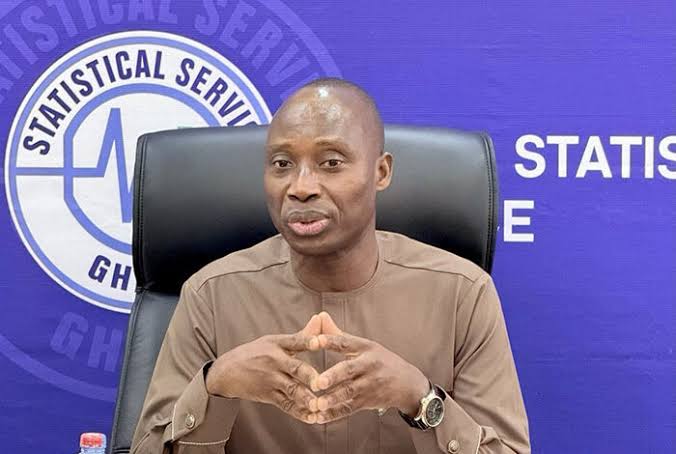
The Government Statistician, Dr Alhassan Iddrisu, says inflation will probably decrease later this year because of the coming harvest season. He said that food makes up a big part of the basket used to calculate the Consumer Price Index (CPI), so the harvest season may help bring down inflation in the future.
Dr. Alhassan Iddrisu shared this during an interview on PM EXPRESS Business Edition on June 16, 2026, with host George Wiafe. “We are moving toward the main harvest season, and in the past, this has led to lower prices.
That should give us some relief,” he explained. He said, “We don’t think things will stay at these high levels forever.
At some point, the pace will slow down.” This message comes at a time when food inflation has been increasing.
This situation has made people worried that inflation might rise even more in the next few months and go above the single–digit range by December. In May 2026, food inflation rose to 3.3% from 2.2% in April 2026 (Year-on-Year Inflation).
From April to May 2026, it went up to 2.0%, which is the fastest increase the country has seen in a single month.
The main reasons for this rise were higher prices for tomatoes, cooking fuel like charcoal, and ginger, along with some supply problems that affected other food items.
However, Dr. Alhassan noted that despite this rise, some food prices have gone down. “What we’ve seen is not just about prices going up quickly, but the situation has been mixed,” he said. He added that inflation is coming down and “we don’t see things getting too bad going forward.”
Read:
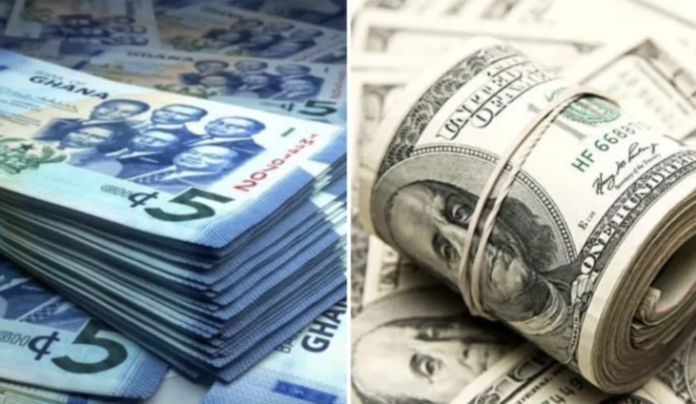
Cedi weakens similarly in opposition to primary currencies as demand for overseas change rises.
Another point he mentioned was that the Ghana cedi has been recovering recently.
“This might affect the cost of imported inputs used by farmers and imported food items,” he said.
Dr. Alhassan also said the government should keep its finances in check, invest in food systems like storage, irrigation, and transport, and work on reducing unequal access to markets in different regions.
“We believe that if these steps are taken, it could help deal with any unexpected issues that might affect inflation in the coming months,” he said.
Agricultural Sector and the Economy
The first quarter GDP estimates showed that the agricultural sector grew more slowly, from 6.6% in the first quarter of 2025 to 4.4%.
The Fishing sub–sector fell by -18.5% year-on-year and -3.8% quarter-on-quarter when adjusted for seasonal changes.
This has raised worries about the future of the sector and its impact on food security.
But the Government Statistician disagrees.
He said the situation is not as bad as it seems.
“Besides the fishing sub–sector, which went down, all the other sub–sectors showed some moderate growth,” Dr. Alhassan said.
He also mentioned that the seasonal performance of the agricultural sector and increasing production could affect its future performance.
He urged the government to take strong actions to improve the fishing sector, to help reverse its declining performance.
“We believe the sector could be performing much better than it is right now,” he said.
He called for more investments in the agricultural sector to address the challenges and create programs that tackle the existing problems in the industry.
About The Author