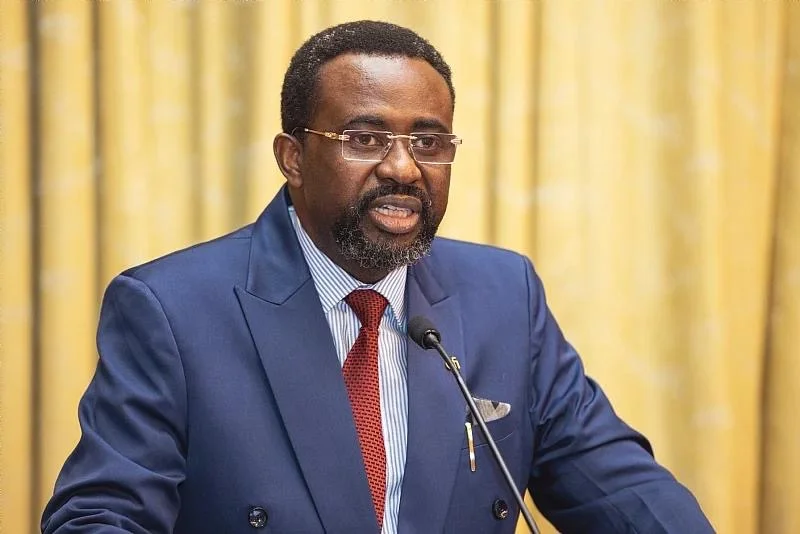
In a recent address, Dr. Johnson Asiama, Governor of the Bank of Ghana (BoG), emphasized the critical need for ongoing fiscal discipline to safeguard the economic advancements that Ghana has achieved in recent times. He underscored that the government must exercise restraint in its expenditures while actively mobilizing the necessary revenue to bolster the economy.
Dr. Asiama pinpointed prudent debt management and fiscal discipline as fundamental components in maintaining debt sustainability and enhancing investor confidence. He articulated, “Prudent debt management and fiscal discipline will be crucial to preserving debt sustainability, bolstering investor confidence, and mitigating fiscal risks associated with the macroeconomic outlook.”
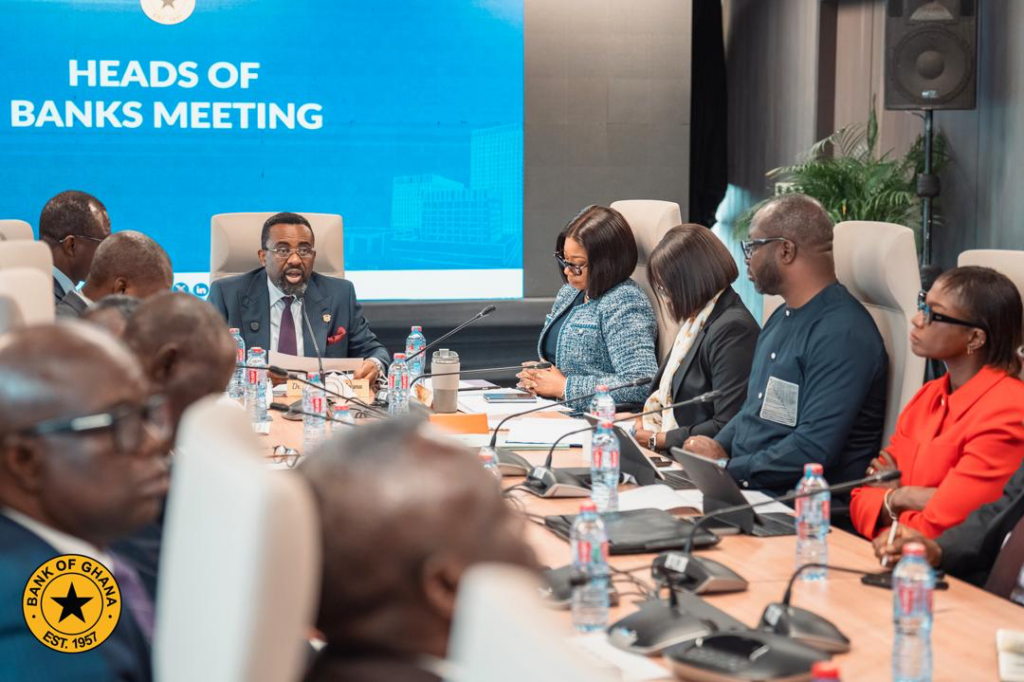
These comments were made during a meeting with Managing Directors and heads of commercial banks at the Bank Square in Accra. The Governor noted that the government’s fiscal performance during the first quarter of 2026 has served as a vital anchor for macroeconomic stability. He remarked, “Fiscal performance in the first quarter of 2026 broadly reflected strong expenditure restraint, despite revenue shortfalls, resulting in balances on a cash basis that exceeded targets.”
Dr. Asiama also pointed out positive developments in Ghana’s external position, revealing that gross international reserves reached US$12.9 billion by the end of June 2026, providing the country with five months’ worth of import coverage. He reassured stakeholders that, despite recent strains on the nation’s reserves and geopolitical developments in the Middle East, the economy has continued to demonstrate robust performance.
Real GDP registered a growth rate of 6.4% in the first quarter of 2026, compared to 6.2% in the same quarter of 2025, with growth largely driven by advancements in the services and industrial sectors. He added, “The Bank’s Composite Index of Economic Activity also indicates sustained and widespread momentum in economic activities.”
In addressing concerns regarding the ongoing issue of dud cheques, Dr. Asiama noted a troubling trend of non-compliance observed by the Bank of Ghana. He called upon commercial banks to enhance their monitoring systems, increase customer engagement, and foster trust in the use of cheques as a legitimate payment method.
Additionally, the Governor revealed that the Bank of Ghana has ramped up efforts to combat unlicensed digital lending practices. He indicated that the central bank has commenced the publication of weekly lists identifying entities providing digital credit services without the necessary approvals. “Relevant law enforcement and regulatory agencies are also taking further measures to ensure the removal of non-compliant operators from the market,” he stated.
Dr. Asiama reaffirmed the central bank’s commitment to fostering a regulatory and policy environment that supports the banking sector, concluding, “The Bank of Ghana will continue to provide the regulatory and policy framework necessary to sustain a sound, resilient, and growth-oriented banking sector.”
About The Author