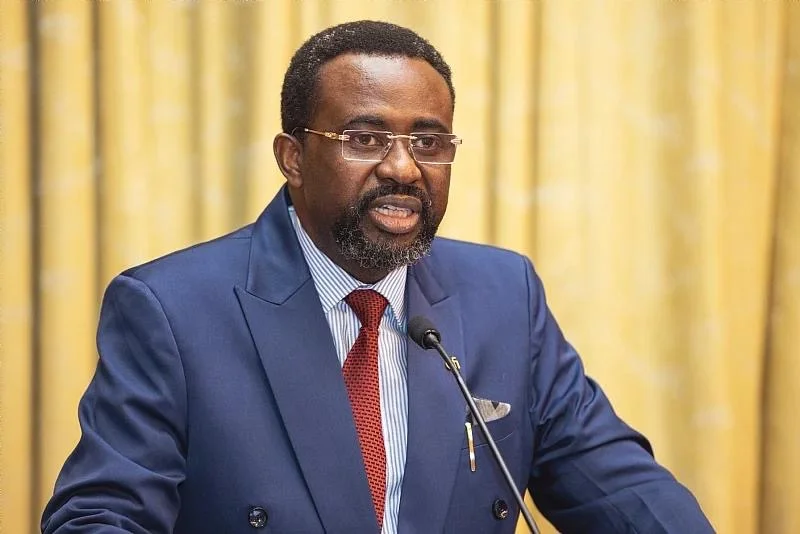

In a recent address, Bank of Ghana Governor Dr. Johnson Asiama provided reassurances to both businesses and the general public regarding the stability of the cedi, emphasizing that the central bank possesses sufficient reserves to ensure market stability and that there is no cause for alarm.
Dr. Asiama highlighted that the Bank of Ghana’s gross international reserves, currently amounting to US$12.9 billion, are adequate to cover the nation’s import requirements for an estimated five-month period. He stated, “These reserves provide a robust buffer against external shocks and enable the Bank of Ghana to maintain stability in the foreign exchange market.”
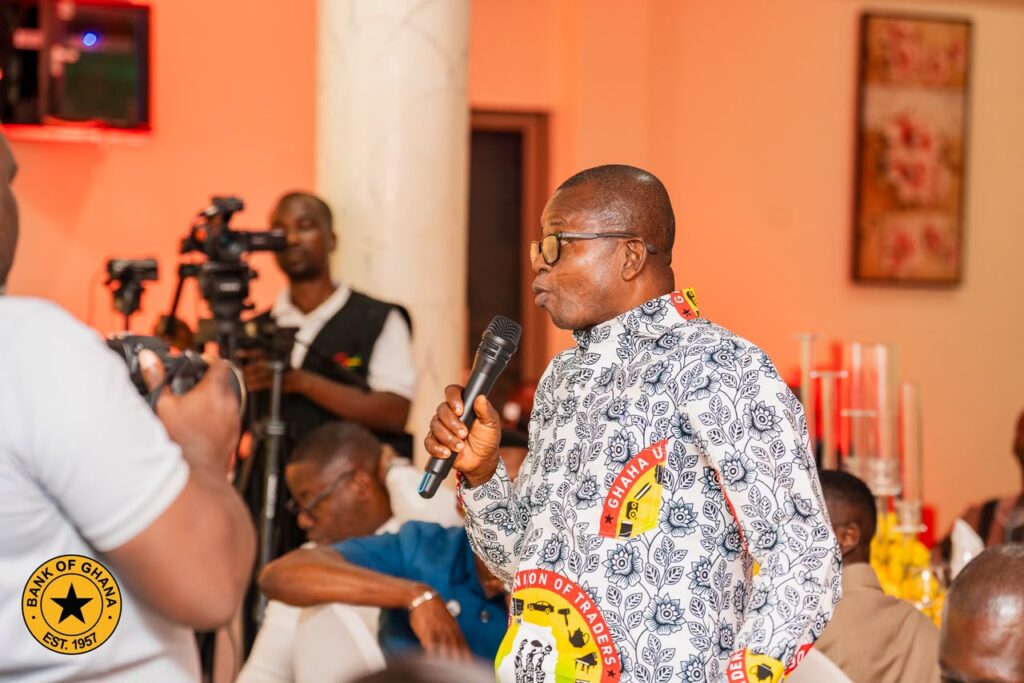
These comments were made during a stakeholder engagement event held at the Eusbett Hotel in Sunyani. The Governor further reassured attendees that the Bank of Ghana is committed to making decisions that safeguard the cedi’s value, control inflation, uphold financial stability, and foster sustainable economic growth.
“The objective is straightforward: to cultivate an economic atmosphere where businesses can thrive with confidence, households can plan for their futures, and every Ghanaian can reap the rewards of a stable and expanding economy,” Dr. Asiama explained.
He addressed the recent pressures faced by the cedi, attributing them largely to global events, particularly the ongoing conflict in the Middle East. However, he noted that the currency has shown signs of recovery. Despite these challenges, he reaffirmed, “We remain dedicated to maintaining an orderly and well-functioning foreign exchange market.”
Cautioning against complacency, he added, “While there has been a slight improvement in recent weeks, we must remain vigilant, as the global economic landscape remains uncertain, and external events can still impact us.”
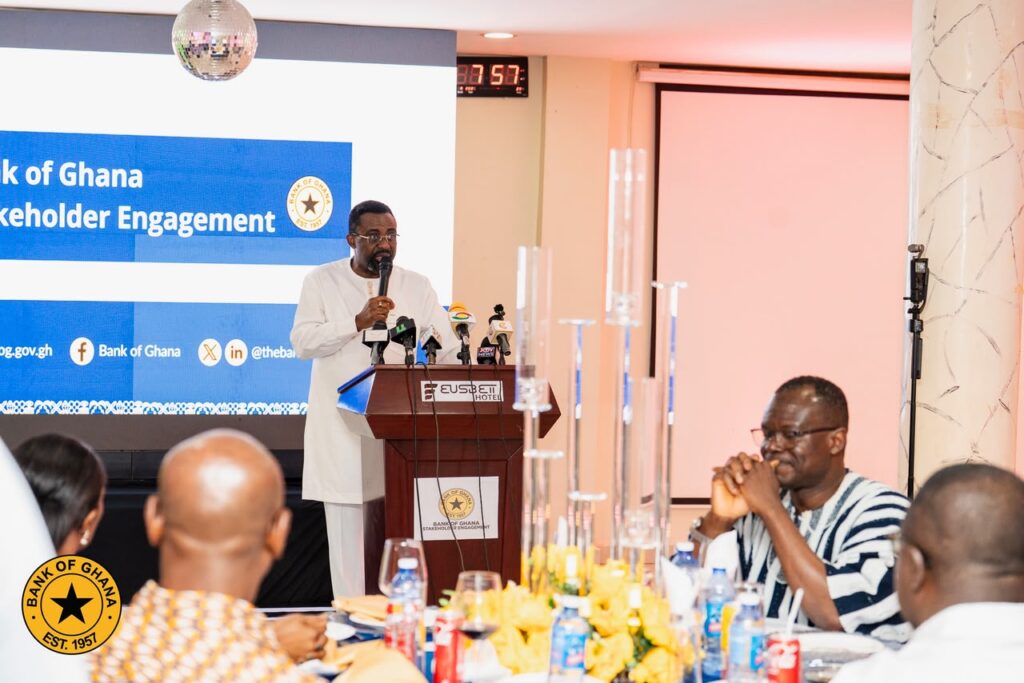
In a related development, the Monetary Policy Committee of the Bank of Ghana has decided to keep the policy rate unchanged at 14 percent. Dr. Asiama explained that the committee requires additional time to evaluate the effects of Middle Eastern developments on the Ghanaian economy.
During the engagement in Sunyani, he acknowledged the ongoing uncertainty in the global economy, particularly due to the conflict in the Middle East and rising oil prices. Nonetheless, he praised the resilience of Ghana’s economy, stating, “We believe this decision strikes the right balance, enabling us to keep inflation in check while also supporting businesses, investment, and economic growth. It also allows us the flexibility to respond to shifts in the global economy if necessary.”
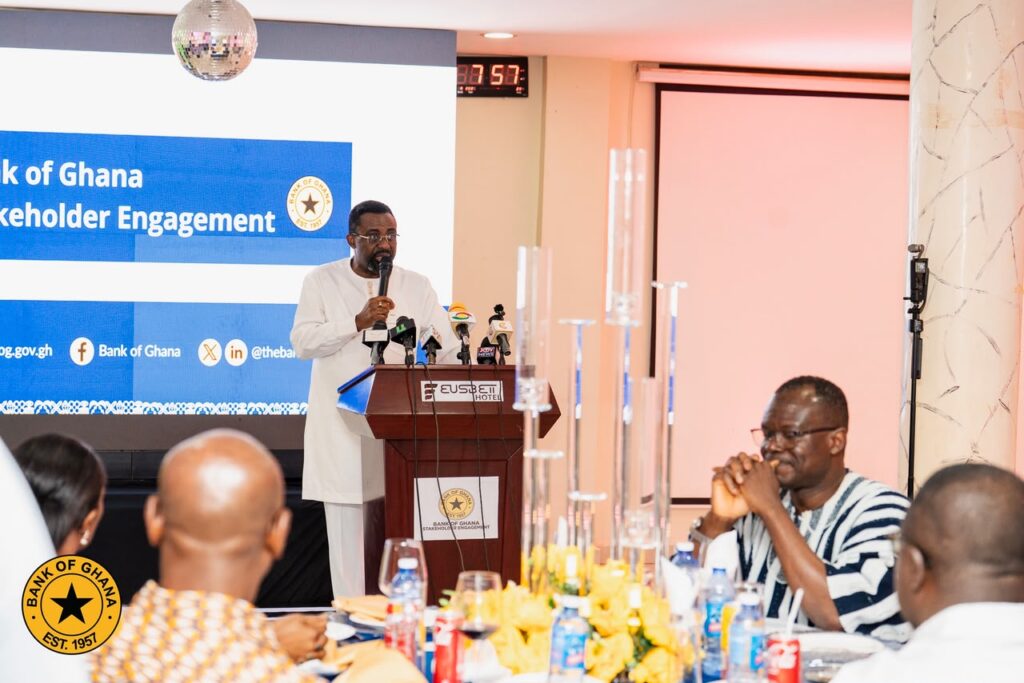
Regarding economic performance, the governor pointed out that recent growth figures from the first quarter indicate heightened activity in various sectors, including increased bank lending to businesses, a rise in trade, enhanced industrial production, and a rebound in tourism. He also noted a growing sense of optimism among businesses and consumers.
In terms of the banking sector, Dr. Asiama reported that commercial banks are well-capitalized, deposits are on the rise, and the quality of bank loans has improved. He expressed encouragement over the uptick in lending to the private sector, revealing that credit to businesses and households surged by over 41 percent in June compared to a mere 9 percent during the same period last year. “This increase means that more businesses have access to the financing necessary for expansion, job creation, and overall economic growth,” the governor concluded.
About The Author