

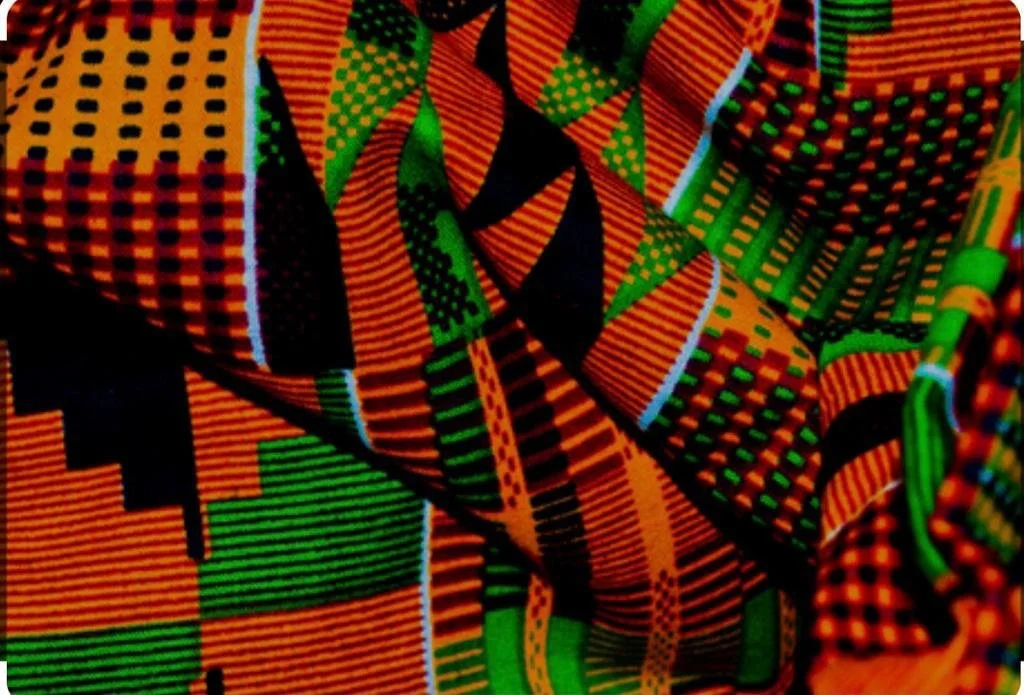
Ghanaian textile, known as Kente, is a colorful and deeply meaningful fabric that is woven from silk and cotton. It has a rich cultural history and was traditionally worn by royalty in the Ashanti and Ewe regions, where it was worn in a way similar to a toga.
As time passed, Kente continued to develop and has now become a well–known fabric around the world. People admire it for its detailed and eye–catching patterns as well as its bright and striking colors. Today, Kente is often worn during important events such as weddings, graduation ceremonies, and cultural festivals. It is a way for people to show off their African heritage and take pride in their cultural roots.
In a viral video displays beautiful kente as the official traces the fabric to Togo`s coastal Ave area, dismissing its Ghanaian roots. It has generate reaction on the internet. Repartee about Togo claiming the Ashanti Golden Stool next.
Ghanaian traditions credits Bonwire village in the Ashanti Region with inventing kente in the 17th century, inspired by spiders web and presented to King Osei Tutu I. Ghana granted it geographical indication status. While Ewe weaving spans both countries borders. The exchange highlights shared West Africa legacies amid national pride.
🇬🇭🇹🇬 Kente is not Ghanaian; it originated from Ave in Togo. It was only introduced to the Ashanti Kingdom later and is not originally part of Ghanaian culture.
— A Togolese museum man claims Kente cloth originated from Togo pic.twitter.com/F0V95gePyX
— we love ghana (@weloveghana042) June 15, 2026
About The Author