
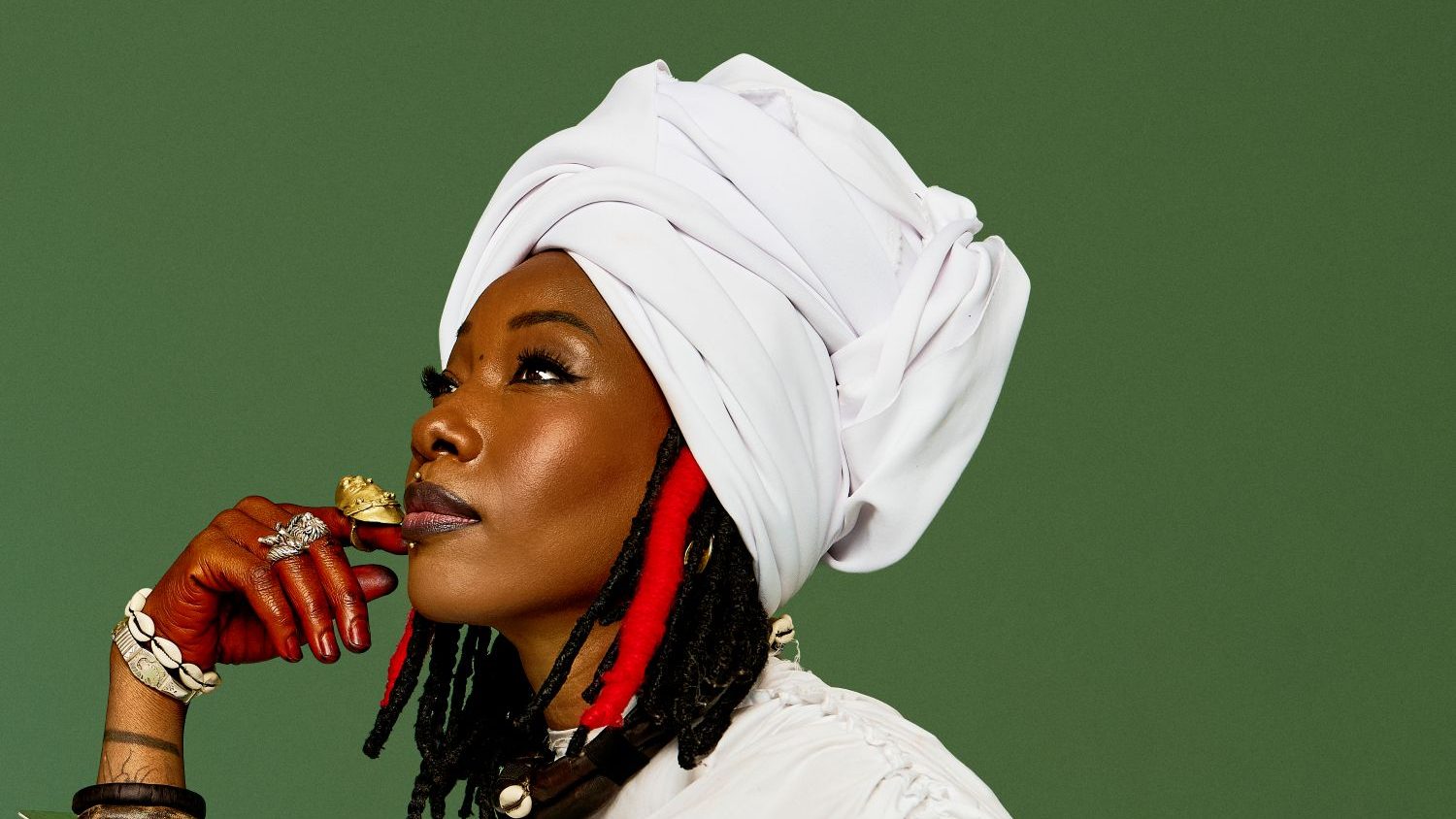
Grammy-nominated Malian musician Fatoumata Diawara has been named Spotify’s EQUAL Africa artist for the month of June. This prestigious recognition highlights her significant contributions to the music industry and her role as a pioneering figure in African music. Diawara, known for her powerful voice and compelling performances, has earned critical acclaim both locally and internationally.
Her selection as the EQUAL Africa artist for June underscores Spotify’s commitment to promoting and celebrating diverse voices from across the continent. This honor not only celebrates her artistic achievements but also serves to elevate her profile and inspire new audiences.
Grammy-nominated Malian artist Fatoumata Diawara, a trailblazer in the music industry, has been named Spotify’s EQUAL Africa artist for June. This recognition highlights her significant contributions to the world of music and her role in promoting African artistry on the global stage.
Published just 29 minutes ago on June 12, 2026, the announcement celebrates Diawara, who is known not only for her musical talent but also for her multifaceted career as a singer, songwriter, guitarist, and actress.
She has spent years redefining contemporary music, blending the rich Mandinka traditions of Mali with a modern sound that is grounded in wisdom, resilience, and a commitment to social change.
Diawara’s journey has taken her through various creative arenas, including film, theatre, and music.
She began her career in Mali, quickly gaining recognition as a backing vocalist for her mentor, the legendary Oumou Sangaré. Her talents have since led to collaborations with some of the most notable names in the music world, including Damon Albarn, Gorillaz, Disclosure, and the Lamomali collective. The collective‘s performances have drawn large audiences, including 450,000 spectators in France last year. Despite these collaborations and her growing fame, Diawara has remained true to her roots, carrying forward the wisdom and spirit of her Wassoulou heritage.
In 2026, Diawara is making a powerful return with her new solo album, “MASSA.”
Set for release on June 5, 2026, this album marks a deeply personal milestone in her career. Co-produced by the esteemed French pop icon and guitar virtuoso -M-, the album reflects her life as both an international star and a mother. Through her music, she explores themes of wisdom and resilience, addressing some of today‘s most pressing societal issues while encouraging listeners to find beauty and gratitude in their own lives.
By fusing her deep Mandinka roots with contemporary pop elements, Diawara continues to push the boundaries of African music, offering a sound that is both forward–thinking and deeply rooted in tradition.
She is also making history in 2026 by becoming the first Black woman to launch a signature guitar with Gibson Epiphone, a significant step in her journey as a trailblazer for future generations of musicians.
Spotify’s EQUAL Africa initiative aims to spotlight women who are redefining the African music scene.
Diawara’s selection as June’s artist underscores her lasting impact and influence on contemporary music. Through her music, performances, collaborations, and pioneering achievements, she embodies how African artists are reshaping the global soundscape on their own terms.
Phiona Okumu, Spotify’s Head of Music for Sub-Saharan Africa, comments on Diawara’s impact, stating, “Fatoumata’s music reflects the creativity and drive that have helped shape Africa’s current music scene.
As part of Spotify’s EQUAL programme, she represents how African women are advancing visibility, driving opportunities, and building global connections through their art.”
In a recent conversation, we had the opportunity to speak with Diawara about her creative journey, her inspirations, and the soulful energy that defines her music.
1.
What is one surprising thing your fans might not know about you?
If I wasn’t a singer, I think I would have loved to be a babysitter.
I have always felt a special connection with children. They are honest, spontaneous, and full of imagination. Being around them brings me joy and reminds me to stay curious and open–hearted.
2.
When did you realize that making music was your destiny and what is your motivation for pursuing this craft?
When I was very young, I experienced the loss of my sister.
It was a painful moment in my life, and I remember feeling alone with my sadness. Instead of crying, I started singing. Music became a way for me to express emotions that I couldn’t put into words. It transformed my pain into something beautiful. It was like turning rain into sunshine.
That was the moment I realized music was my destiny.
It became my way of surviving trauma, healing wounds, and finding hope. Music continues to heal me today.
3.
Which African songs or artists did you grow up listening to?
I grew up listening to incredible artists who shaped my musical identity, including Amadou & Mariam, Fela Kuti, Ali Farka Touré, Kassav’, and Miriam Makeba.
Each of them brought something unique to my understanding of music.
4.
To someone who has never heard your music, how would you describe the sound, tone, and style?
My music is a melting pot of influences.
At its heart, it is rooted in Mali, but it also embraces blues, folk, rock, jazz, and modern sounds from around the world. I like to build bridges between tradition and modernity. My songs carry the rhythms and stories of my culture while remaining open to new sounds and ideas. The result is a musical journey that is both deeply African and universally human.
5.
Any advice for someone who is afraid to follow their dreams?
Never doubt yourself.
There is a hidden power inside each of us, a strength that often comes from our ancestors, our history, and our life experiences. Sometimes we don’t see it right away, but through hard work and perseverance, we discover it.
Believe in yourself even when nobody else does.
Don’t let fear stop you from taking the first step. Fear is natural, but it should never be stronger than your dreams. Trust your intuition, stay focused, and keep moving forward. The power you are looking for is already within you.
6.
How do you navigate the music industry as a woman artist and how does your unique perspective shape your artistry?
For me, everything starts with listening to myself.
As women, we often have clear ideas, strong instincts, and creative visions, but sometimes we hesitate to share them. I have learned that it is important to trust my voice and communicate my ideas with confidence.
I believe that we already have a lot of the answers inside us. The real challenge is learning how to listen and truly hear what those answers are. When I trust myself and remain connected to who I am at my core, it becomes much easier to move through the music industry while staying true to my artistic vision. My experience as a woman deeply influences my music because I write from real–life experiences, emotions, and stories that are both personal and universal. These stories allow me to connect with listeners on a meaningful level.
Here‘s a quote from me about my experience navigating the male–dominated world of music and what being a part of the EQUAL programme means to me:
“The day I picked up a guitar, I already felt equal.
The guitar became my weapon, my freedom, and my voice.“
I strongly encourage every young woman artist who has the chance to learn an instrument.
Learning an instrument gives you a sense of independence and boosts your confidence. In a male–dominated industry, communication is just as important as talent. You need to express your ideas clearly, stand firm in your decisions, and never question your worth. Your voice matters, and you deserve to be heard.
Being part of the EQUAL programme is incredibly meaningful to me because it helps bring more attention to women‘s voices in the music world and opens up more opportunities for future generations of female artists.
Equality isn’t about asking for permission to be heard; it’s about recognizing your own strength and using it without fear. Freedom is a powerful tool, and every woman should have the right to access and use it.
About Spotify:
Spotify changed the way people listen to music forever when we launched in 2008.
Our mission is to unlock the power of human creativity by giving a million artists the chance to make a living from their art and allowing billions of fans to discover, enjoy, and be inspired by these creators. Everything we do is driven by our passion for music and podcasts. You can discover, manage, and share over 100 million tracks, including more than 7 million podcast titles, all for free, or upgrade to Spotify Premium to access exclusive features for music, such as better sound quality, on-demand listening, offline access, and an ad–free experience. Today, we are the world‘s most popular audio streaming subscription service with a community of 751 million users, including 290 million Spotify Premium subscribers, in over 184 countries.
About The Author